Strawberries are susceptible to various pests, including diseases, nematodes, insects, and weeds. Effective management requires an understanding of pest biology, environmental impacts, and economic damage potential. Prevention remains key to reducing pest establishment and spread.
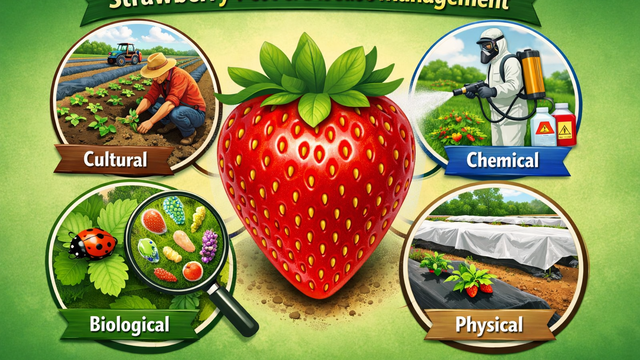
Integrated pest management (IPM) combines multiple strategies to protect crop health. Cultural practices—such as selecting resistant varieties, optimizing planting dates, managing irrigation, and maintaining balanced nutrition—help minimize pest pressure. Regular monitoring, through scouting or field observations, ensures early detection and accurate identification, guiding informed decisions based on pest thresholds. Proper diagnosis is essential for effective management. If pest identification is uncertain, samples can be submitted to the Plant Disease and Insect Clinic for confirmation.
Management options include cultural, biological, and chemical controls. Chemical applications are a routine and necessary part of strawberry production, often integrated with other strategies for effective pest suppression. For specific pesticide recommendations, including rates and best-use practices, refer to the North Carolina Agricultural Chemicals Manual.
The following sections outline key strawberry pests, economic thresholds, and management strategies: